
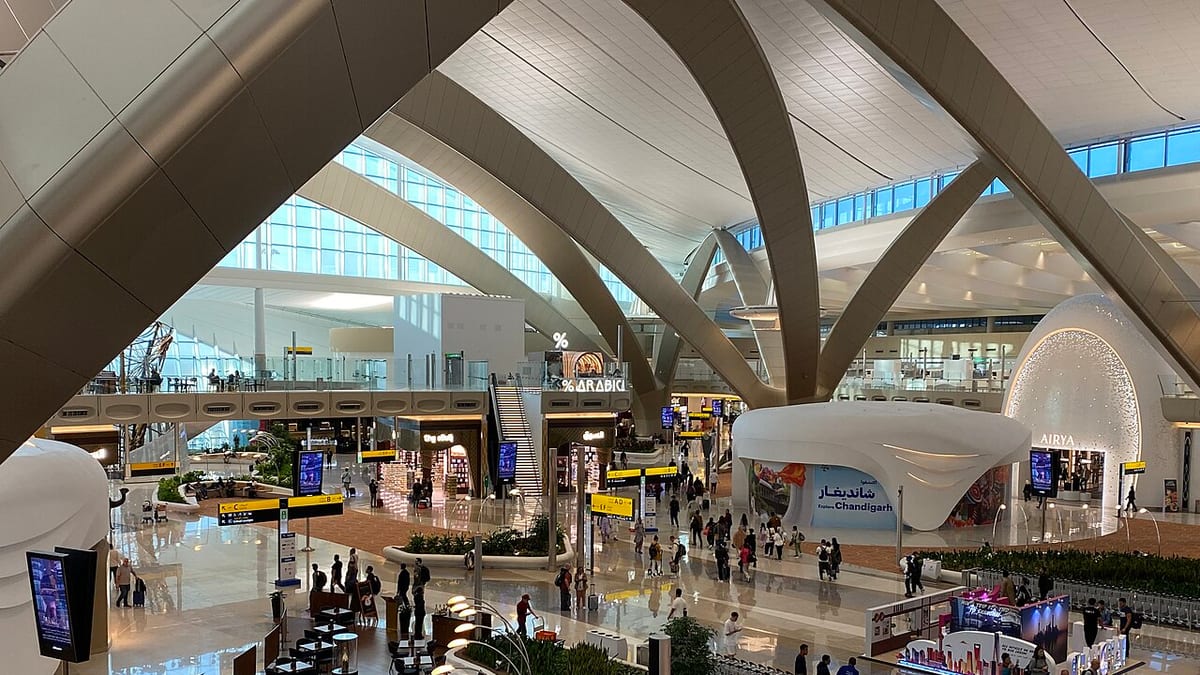
Yes, an overnight rest at Zayed International Airport is possible, but choose an option you can actually access. The airport lists a complimentary Sukoon relaxation area near Gate C42 and an airside transit hotel, AUHotel. A hotel booking or lounge membership does not by itself authorize entry to the secure departures area. [1][2][3]
The first decision is therefore not which chair looks most comfortable. It is whether you will be remaining airside between flights, waiting landside before check-in opens, or arriving in Abu Dhabi at the end of your journey. Those situations have different practical options.
The free option: Sukoon near Gate C42
The airport describes Sukoon as a passenger relaxation area with reclining chairs and complimentary blankets, listed as open 24 hours, seven days a week, near Gate C42. It is advertised as complimentary for passengers. [1]
That makes it a more useful starting point than an old recommendation to search an unspecified terminal corner. Ask airport staff for the current location and availability once you are in the departure area. The listing does not promise that a particular recliner can be reserved or will be vacant when you arrive.
Treat it as a place to rest, not as a private bedroom. Carry an eye mask and light layer, keep your valuables secure and set an alarm that you can hear without disturbing everyone nearby. Do not block a passage or occupy additional seats with luggage when other passengers need them.
Before settling down, identify the walk to your departure gate. A quiet area is useful only if you leave enough time to reach the flight. Record your required boarding time separately from the scheduled departure and check the flight display again after waking.
For a short overnight connection, this may be all you need. For someone who must be rested for a long drive or demanding work after arrival, a recliner is not an equivalent substitute for a booked room.
AUHotel is the private-room choice - but it is airside
The airport lists 6-, 12- and 24-hour stay packages at AUHotel, with a 24-hour front desk. Guests need a valid boarding pass for an onward flight from AUH. The property is in the transit area, not a hotel that can simply be reached from the public arrivals hall. [2]
The hotel's booking site adds important access conditions. Departing passengers coming from the city must confirm their airline's advance check-in arrangements. Transit passengers without an onward boarding pass, or whose bags are tagged only to Abu Dhabi, are directed to the airline transit counter for help before clearing immigration. [3]
These instructions matter because an early room reservation does not force an airline to open its check-in desk earlier. Someone with an evening departure cannot assume they can enter the secure area that morning merely to use a hotel package.
Equally, do not leave the secure area during a connection and assume that returning to the hotel will be automatic. Resolve your boarding pass, baggage and access requirements with the airline before changing sides. Hotel confirmation and airport access are separate parts of the plan.
When comparing packages, calculate the sleep window rather than the full layover. Suppose you have eight hours between scheduled flights. Time spent disembarking, completing transfer procedures, reaching the hotel, checking in, waking and getting to the gate comes out of those eight hours. A six-hour booking may fit, but only after those other needs are accounted for. That is a planning example, not a claim about average processing time.
Ask for the room's actual check-in and checkout times on the reservation. Include the date when your arrival crosses midnight. For a family, confirm occupancy and beds rather than assuming that one advertised room accommodates everyone.
A lounge is not automatically an overnight bed
Pearl Lounge is listed as open 24 hours on departure level 3 at the beginning of Pier D. The airport advertises direct paid access at AED 265 for three hours, subject to availability. Its listing identifies some facilities, including showers and wellness services, as paid extras. [4]
The important number is three hours, not simply the 24-hour opening sign. A lounge can remain open all night while a particular access product permits only a limited stay. Membership programmes can have their own conditions, which should be checked against the card or booking you will actually use.
For two adults buying the advertised three-hour direct-access product, the simple starting calculation is AED 530. That does not establish the price of an overnight stay, a private sleeping room or repeated admission. Compare it with a live room quote only after deciding whether you want food and seating or a proper bed.
Choose a lounge when its food, charging, seating and permitted time match your connection. Choose a hotel when privacy and continuous sleep are the main purchase. Do not pay for a lounge assuming that a photographed quiet zone guarantees a bed or that a shower is included in every access arrangement.
Your baggage and next boarding pass determine the route
The airport's transfer guidance tells connecting passengers to follow transfer signs, pass the relevant screening and obtain help at their airline's transfer desk if they lack the onward boarding pass. On a single ticket, baggage is typically transferred through, but the airport advises confirming that it is tagged to the final destination. [5]
"Typically" is important. Do not infer your own baggage arrangement from someone else's itinerary. Check the tag at the origin airport and keep essentials for the overnight wait in cabin baggage, within the applicable security rules.
If you are traveling on separate tickets, establish the transfer process with the airlines before buying a non-refundable airside room. A requirement to collect and recheck a bag can change which sleeping option is usable. Do not assume a transit hotel can solve that requirement.
If Abu Dhabi is your final destination, a landside hotel is generally the relevant category to compare. Entering the country remains subject to your own eligibility; the airport's arrivals guide directs travelers to nationality-dependent entry requirements. An airport hotel reservation is not an entry permission. [5]
Make the overnight wait work in practice
Prepare a small rest kit before packing away the cabin bag: a layer, eye mask, earplugs if suitable, charging cable and essential personal items. Keep travel documents and valuables where you can control them. Avoid leaving a phone unattended at a charging point while you sleep.
Decide how you will wake and what must happen next. Set a second alarm when missing a flight would have serious consequences. For a booked room, a wake-up request can supplement your own alarm, but should not replace it.
If a delay or cancellation created the overnight wait, speak to the airline before paying for accommodation yourself. Ask what assistance it is providing and keep receipts for any authorized expenses. Do not assume that buying a room creates an automatic reimbursement entitlement.
The best choice is the simplest one that meets your actual need. Sukoon offers a listed free place to rest; AUHotel offers a booked private room for eligible airside passengers; a lounge offers its specific access package. Solve access and timing first, then pay only for the comfort you can meaningfully use.